

Grain-free pet food became a major trend, marketed as more “natural”. But in July 2018 the US Food and Drug Administration (FDA) announced an investigation into heart disease (DCM) in dogs eating certain foods, many of them grain-free. Here we review what the research shows — and what we recommend.
The FDA Investigation and Heart Disease
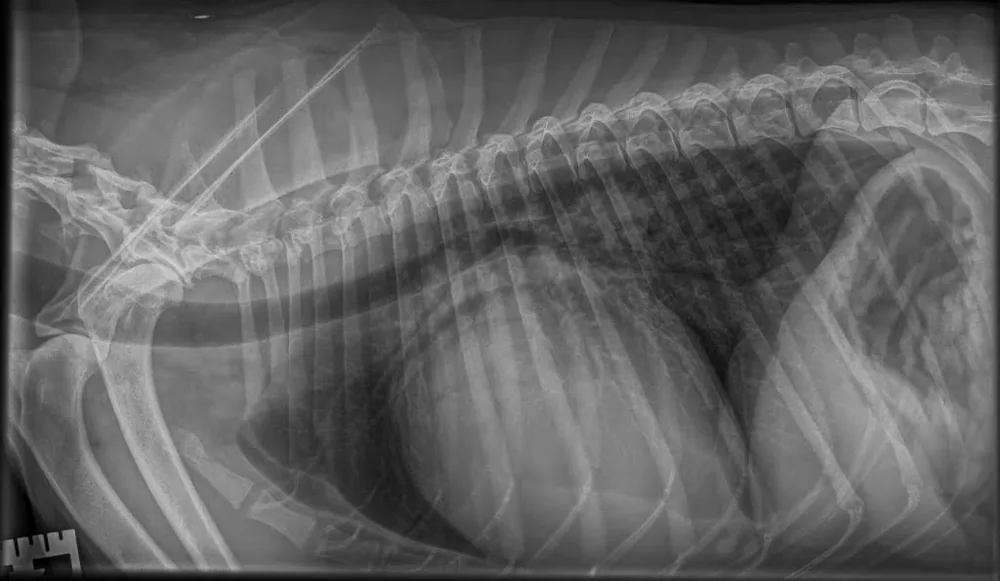
In dilated cardiomyopathy (DCM), usually a hereditary disease of large breeds, the heart muscle weakens and the heart enlarges. The FDA’s 2019 summary of 515 canine reports from January 2014 to April 2019 included many breeds not known to be predisposed, most often Golden Retrievers, mixed breeds and Labradors. Over 90% of the products named were grain-free and 93% contained peas and/or lentils — but voluntary reports do not show how common the disease is. The FDA notes that most of the reported foods, including some grain-containing ones, had pulses (peas, lentils, chickpeas, beans) high in the ingredient list, and that pulses have long been used in pet foods “with no evidence to indicate they are inherently dangerous”. The agency has not established a causal link, and in December 2022 it said it would publish no further updates until there is meaningful new scientific information.
What Controlled Feeding Trials Show
Feeding trials have given mixed results. In 28 Siberian Huskies fed diets containing 0–45% whole pulses for 20 weeks, heart ultrasound findings and heart-related blood tests were unchanged. In an 18-month randomised trial of 60 dogs on four foods, the heart-related blood tests stayed normal and no dog developed DCM, but dogs on a grain-containing food rich in peas and pea fibre ended the trial with slightly weaker, though still normal, heart contraction than those on pea-free foods. The authors suggested valve disease as one possible explanation; in a letter, over 100 veterinary cardiologists disagreed, linking the change to the pea ingredients rather than to a lack of grain. In eight Beagles, four weeks on an experimental food containing 58% pea flour (of a type not sold commercially) caused mild, symptom-free changes resembling early DCM; a lentil-based food did not. The trials are small, and most are far shorter than the year or more for which affected dogs have typically eaten such food.
Studies of Dogs Eating Their Usual Food
Such studies show associations, not causation. Among 188 healthy dogs, extra heartbeats from the heart’s lower chambers were more common in those whose food listed peas, lentils or potatoes among the first ten ingredients (10% vs 2%). Dogs on these foods, or on grain-free foods, also had higher troponin, a blood marker possibly signalling low-level heart muscle damage. In a separate study, Irish Wolfhounds on high-pulse food likewise had more extra beats (6 of 35 vs 1 of 62). Occasional extra beats also occur in healthy dogs, and heart ultrasound showed no differences in either study. In another 46 healthy dogs, however, those on pulse-rich foods had weaker heart contraction and a larger main pumping chamber. Among 60 dogs with DCM, the 51 that had eaten such foods improved slightly more after a diet change and treatment than the 9 that had not. Yet in the US Dog Aging Project (over 47,000 dogs), owner-reported grain-free feeding was not linked to new heart diagnoses over two years. These diagnoses were mostly murmurs rather than DCM specifically, and pulses were not analysed. A link is neither confirmed nor ruled out; research increasingly focuses on pulses rather than on a lack of grain.
Does My Pet Need Grain-Free Food?
Probably not. Science does not support claims that grains are mere “fillers” or the main cause of food allergies. As farming spread, most dogs gained extra copies of the starch-digesting AMY2B gene — on average about five times as many as wolves — though some Arctic breeds, such as the Siberian Husky, have few (Arendt et al., 2016). In one study, dogs digested over 99% of the starch in cooked cereal-based diets (Murray et al., 1999). Grains are also less common allergens than the main animal proteins, though wheat is not a rare one: of 297 dogs with confirmed food allergy, 34% reacted to beef, 17% to dairy, 15% to chicken, 13% to wheat, 4% to corn and 2% to rice — figures that may partly reflect what dogs have usually eaten (Mueller et al., 2016).
What About Cats?
Cats are obligate carnivores: they need plenty of animal protein and must get taurine from food, as a lack of it weakens the heart muscle (Pion et al., 1987). Grain-free cat foods often replace grains with potatoes, peas or tapioca. In one comparison of dry foods, grain-free ones averaged about a quarter less carbohydrate than grain-containing ones, but with wide overlap, so grain-free does not necessarily mean low-carbohydrate (Prantil et al., 2018). Cats also digest cooked starch well: over 93% of it in all six dry foods tested, including pea- and lentil-based ones (de-Oliveira et al., 2008). By July 2020, over 20 cats with DCM had been reported to the FDA, compared with over 1,100 dogs. What matters most is adequate animal protein and taurine — not whether the food is grain-free.
Veterinary Recommendation
Grain-free food has no proven benefit for healthy dogs or cats, so choose it only for a medical reason. The FDA says it has no definitive information that these foods are inherently unsafe. Tufts University veterinary nutritionists nevertheless regard pulses among the first ten ingredients as a possible risk for some dogs and, for dogs with DCM, recommend a food without pulses or potatoes alongside treatment. If your dog’s food lists pulses among its first ten ingredients, talk to your vet, especially if your dog has a heart murmur or belongs to a breed prone to heart disease. The World Small Animal Veterinary Association (WSAVA) suggests asking manufacturers who formulates the food — ideally a qualified nutritionist — and what research they have done. Food allergy is diagnosed with an elimination diet of at least eight weeks followed by a re-challenge, not by switching foods at random. Tiring easily, coughing, breathing difficulty or fainting always need investigating, whatever the food. DCM can also progress without signs; we can listen to the heart and, if needed, examine it with ultrasound. Eläinklinikka Saari sells pet food; we mention this for transparency.
Sources
- U.S. Food and Drug Administration (FDA): FDA Investigation into Potential Link between Certain Diets and Canine Dilated Cardiomyopathy (updated 27 June 2019; notice of 23 December 2022). fda.gov/fda-investigation-potential-link-between
- U.S. Food and Drug Administration (FDA): Questions & Answers: FDA’s Work on Potential Causes of Non-Hereditary DCM in Dogs (updated 19 August 2024). fda.gov/questions-answers-fdas-work-potential-ca
- Singh P. ym. (2023): The Pulse of It: Dietary Inclusion of Up to 45% Whole Pulse Ingredients with Chicken Meal and Pea Starch in a Complete and Balanced Diet Does Not Affect Cardiac Function, Fasted Sulfur Amino Acid Status, or Other Gross Measures of Health in Adult Dogs. The Journal of Nutrition 153(5):1461–1475. doi.org/j.tjnut.2023.03.027
- Morris E.M. ym. (2025): Different carbohydrate sources in dog foods supported overall health and cardiac function: an 18-mo prospective study in healthy adult dogs. Journal of Animal Science 103:skaf225. doi.org/skaf225
- Pion P.D. (2026): Letter to editor regarding different carbohydrate sources in dog foods supported overall health and cardiac function: an 18-month prospective study in healthy adult dogs (co-signed by 102 veterinarians). Journal of Animal Science 104:skag028. doi.org/skag028
- Quilliam C. ym. (2023): Effects of a 28-day feeding trial of grain-containing versus pulse-based diets on cardiac function, taurine levels and digestibility in domestic dogs. PLOS ONE 18(5):e0285381; correction PLOS ONE 19(8):e0308509 (2024). doi.org/journal.pone.0285381
- Adin D. ym. (2021): Effect of type of diet on blood and plasma taurine concentrations, cardiac biomarkers, and echocardiograms in 4 dog breeds. Journal of Veterinary Internal Medicine 35(2):771–779. doi.org/jvim.16075
- Coppinger L.M. ym. (2024): Echocardiographic and electrocardiographic findings in Irish Wolfhounds eating high-pulse or low-pulse diets. Journal of Veterinary Internal Medicine 38(3):1300–1304. doi.org/jvim.17075
- Owens E.J. ym. (2023): Comparison of echocardiographic measurements and cardiac biomarkers in healthy dogs eating nontraditional or traditional diets. Journal of Veterinary Internal Medicine 37(1):37–46. doi.org/jvim.16606
- Freeman L. ym. (2022): Prospective study of dilated cardiomyopathy in dogs eating nontraditional or traditional diets and in dogs with subclinical cardiac abnormalities. Journal of Veterinary Internal Medicine 36(2):451–463. doi.org/jvim.16397
- O’Brien J. ym. (2026): Multiple Modelling Methods Suggest That Grain-Free Diets Are Not Predictive of New Owner-Reported Cardiac Diagnoses Over Two Years in the Dog Aging Project, Despite Owner Misclassification of Diet. Veterinary Medicine and Science 12(5):e71213. doi.org/vms3.71213
- Freeman L.M. (2023): Diet-associated dilated cardiomyopathy: The cause is not yet known but it hasn’t gone away. Petfoodology, Cummings School of Veterinary Medicine, Tufts University. sites.tufts.edu
- Arendt M. ym. (2016): Diet adaptation in dog reflects spread of prehistoric agriculture. Heredity 117(5):301–306. doi.org/hdy.2016.48
- Murray S.M. ym. (1999): Evaluation of selected high-starch flours as ingredients in canine diets. Journal of Animal Science 77(8):2180–2186. doi.org/1999.7782180x
- Mueller R.S. ym. (2016): Critically appraised topic on adverse food reactions of companion animals (2): common food allergen sources in dogs and cats. BMC Veterinary Research 12:9. pmc.ncbi.nlm.nih.gov
- Prantil L.R. ym. (2018): Comparison of carbohydrate content between grain-containing and grain-free dry cat diets and between reported and calculated carbohydrate values. Journal of Feline Medicine and Surgery 20(4):349–355. doi.org/1098612X17710842
- Pion P.D. ym. (1987): Myocardial failure in cats associated with low plasma taurine: a reversible cardiomyopathy. Science 237(4816):764–768. doi.org/science.3616607
- de-Oliveira L.D. ym. (2008): Effects of six carbohydrate sources on diet digestibility and postprandial glucose and insulin responses in cats. Journal of Animal Science 86(9):2237–2246. doi.org/jas.2007-0354
- WSAVA Global Nutrition Committee (2021): Guidelines on Selecting Pet Foods. wsava.org